cattopperfishkitten
Kitten Sardine Mash
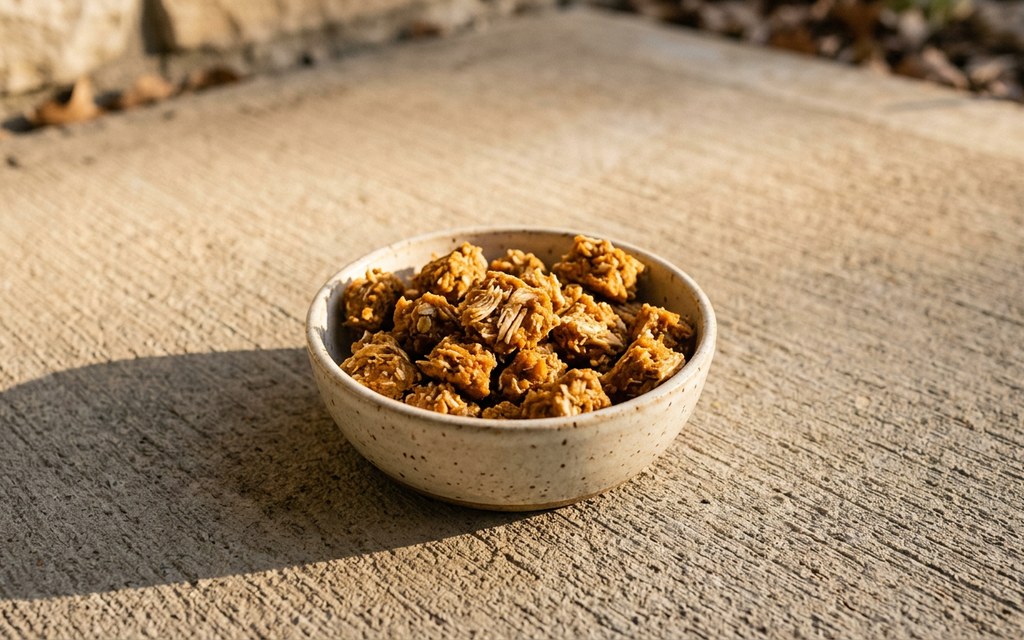
A tiny spoon of mashed sardine stirred with water, a strong-smelling topper that tempts a hesitant kitten to eat.

Prep
5 min
Cook
0 min
Yields
About 1 cup
Level
easy
Ingredients
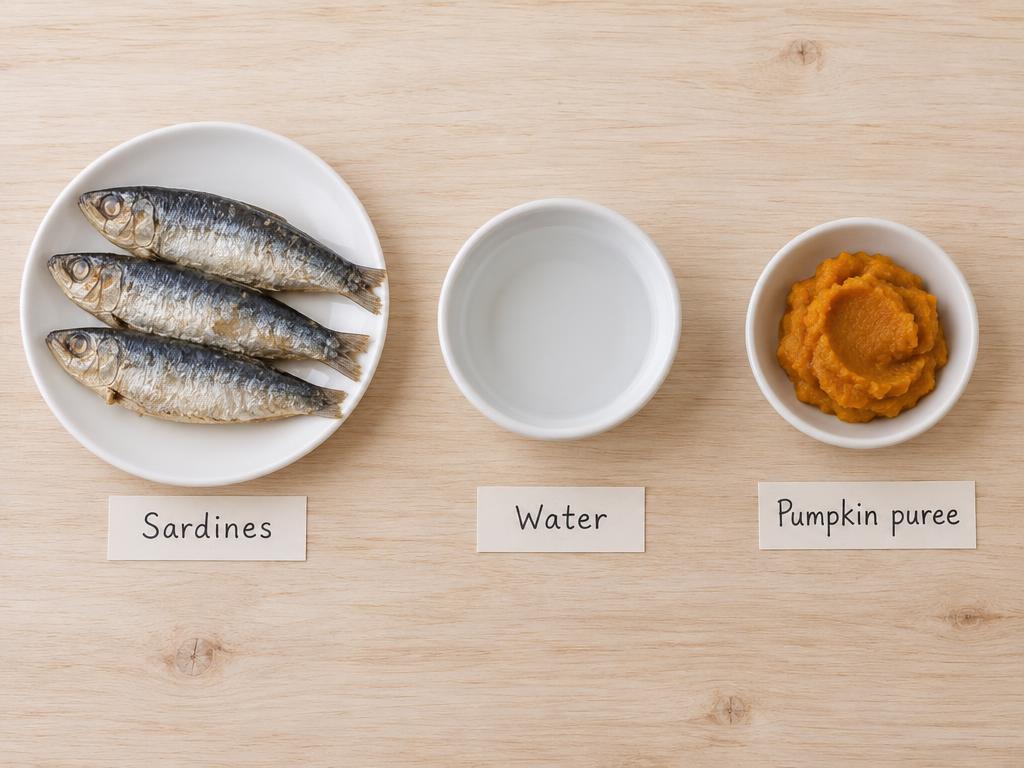
- 1 can sardines in water, no added salt, drained
- 2 tbsp water
- 1 tbsp plain pumpkin puree
Steps
- Drain the sardines well and tip them into a small bowl.
- Mash them thoroughly with a fork, checking for and removing any larger bones.
- Stir in the water and pumpkin puree to loosen the mash.
- Spoon a small amount over your kitten's usual food.
Substitutions
- Canned mackerel in water in place of the sardines.
Portion guide
Suggested portions only, your vet knows your pet's needs best.
Portion calculator
Enter your cat's weight for a scaled serving suggestion.
Suggested portion
1 ½ tsp per day
1 kg12 kg
Starting point only, adjust for activity, body condition, and vet guidance.
| Pet weight | Suggested portion |
|---|---|
| 2 kg | 1/2 tsp per day |
| 3 kg | 1 tsp per day |
| 5 kg | 2 tsp per day |
Nutrition & calorie check
Estimated calories per serving compared to your pet's daily energy need.
Nutrition estimate
Rough estimate from common ingredient values, not a substitute for a veterinary nutrition plan.
Whole recipe
295 kcal
Per serving
295 kcal
Treat budget (cat)
24 kcal
One serving uses ~1229% of the daily treat budget295 / 24 kcal
One serving is above the 10% daily treat allowance for a 4kg cat. Cut the portion or treat as an occasional reward only.
Do not feed
- Onion, garlic, chives, leeks (toxic in any form)
- Cow's milk (most cats cannot digest it)
- Raw, smoked, or cured fish
- Fish bones of any size
- Sardines packed in oil or brine
See our full Safety & Nutrition guide.
Storage
Refrigerate up to 2 days in a sealed container.
Vet disclaimer: Companion Paws Kitchen recipes are educational. They are not a substitute for veterinary advice or a complete-and-balanced commercial diet. Always consult your vet before introducing new foods, especially for puppies, kittens, seniors, pregnant pets, or pets with medical conditions.
More for cats