
dogtreatmixedadult
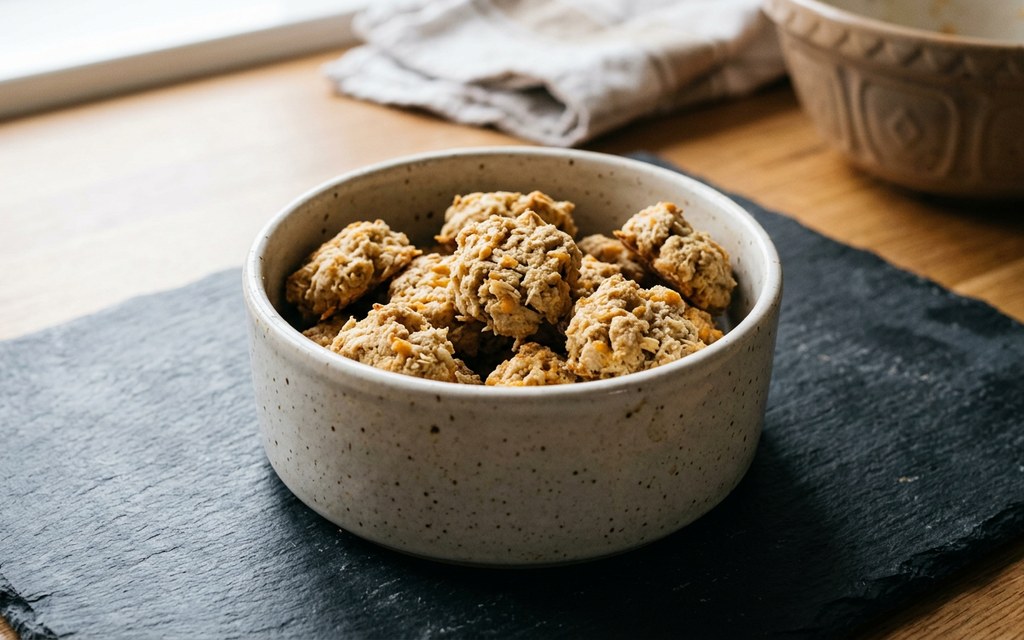
Cheesy Chicken Dog Treats
Lean chicken and flaxseed come together in these savory bites. Flaxseed provides essential fatty acids for skin and coat health.
Prep
10 min
Cook
30 min
Yields
About 30 treats
Level
easy
Ingredients
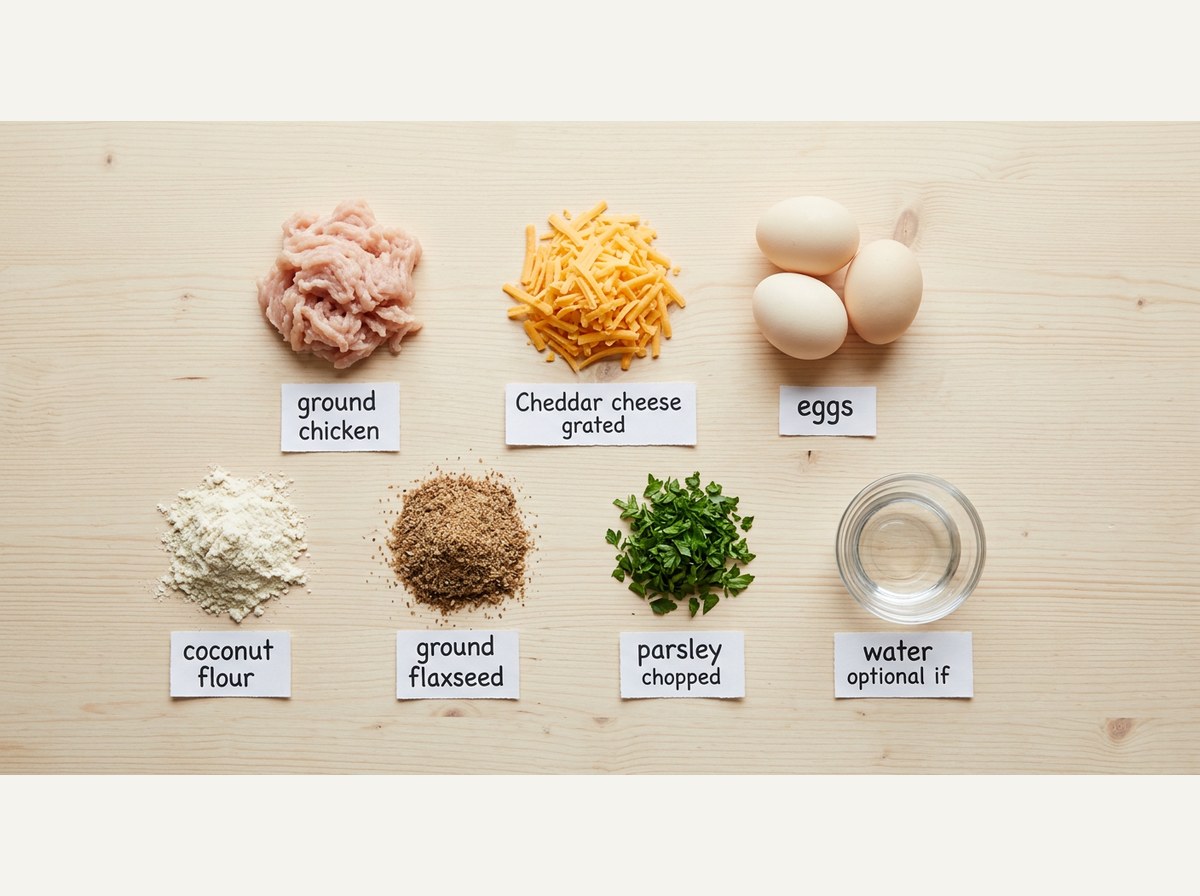
- 1 cup ground chicken, cooked
- 1/2 cup Cheddar cheese grated
- 2 medium eggs
- 1/2 cup coconut flour
- 1/4 cup ground flaxseed
- 1/4 cup parsley chopped
- 1/4 cup water optional if mixture too dry
Steps
- Preheat the oven to 180C/350F degrees.
- In a large mixing bowl add all the ingredients and mix well. For a smoother mixture you could use a food processor to combine the ingredients.
- If the mixture is too sticky, add more coconut flour. If it is too dry, add the water.
- Either press the mixture into a silicone tray or roll into balls and place on a parchment paper lined baking tray.
- Bake for 25-30 minutes until firm.
- All to cool before giving a treat.
Substitutions
- Replace ground chicken with ground turkey.
- Use chia seeds instead of flaxseed.
- Swap coconut flour for chickpea flour.
Portion guide
Suggested portions only, your vet knows your pet's needs best.
Portion calculator
Enter your dog's weight for a scaled serving suggestion.
Suggested portion
2 small treats per day
1 kg60 kg
Starting point only, adjust for activity, body condition, and vet guidance.
| Pet weight | Suggested portion |
|---|---|
| 5 kg | 1 small treat per day |
| 15 kg | 2 small treats per day |
| 30 kg | 3 small treats per day |
Nutrition & calorie check
Estimated calories per serving compared to your pet's daily energy need.
Nutrition estimate
Rough estimate from common ingredient values, not a substitute for a veterinary nutrition plan.
Whole recipe
923 kcal
Per treat
31 kcal
Treat budget (dog)
85 kcal
One serving uses ~36% of the daily treat budget31 / 85 kcal
Do not feed
- Onion, garlic, chives, leeks (toxic in any form)
- Cooked bones, splinter risk
See our full Safety & Nutrition guide.
Storage
Refrigerate for 5 days or freeze for up to 2 months.
Vet disclaimer: Companion Paws Kitchen recipes are educational. They are not a substitute for veterinary advice or a complete-and-balanced commercial diet. Always consult your vet before introducing new foods, especially for puppies, kittens, seniors, pregnant pets, or pets with medical conditions.
More for dogs