dogtoppermixedadultsenior
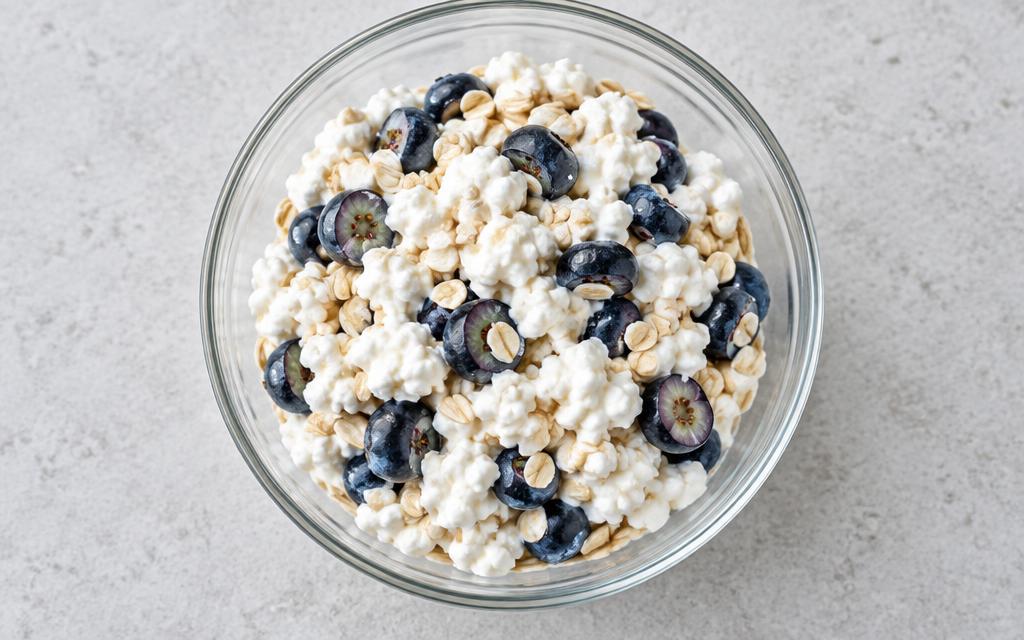
Cottage Cheese & Blueberry Dog Topper
A cool, mild spoonful with a little sweetness from fresh blueberries. Handy for dogs who need extra protein without extra cooking.
Prep
5 min
Cook
0 min
Yields
About 1 1/2 cups
Level
easy
Ingredients
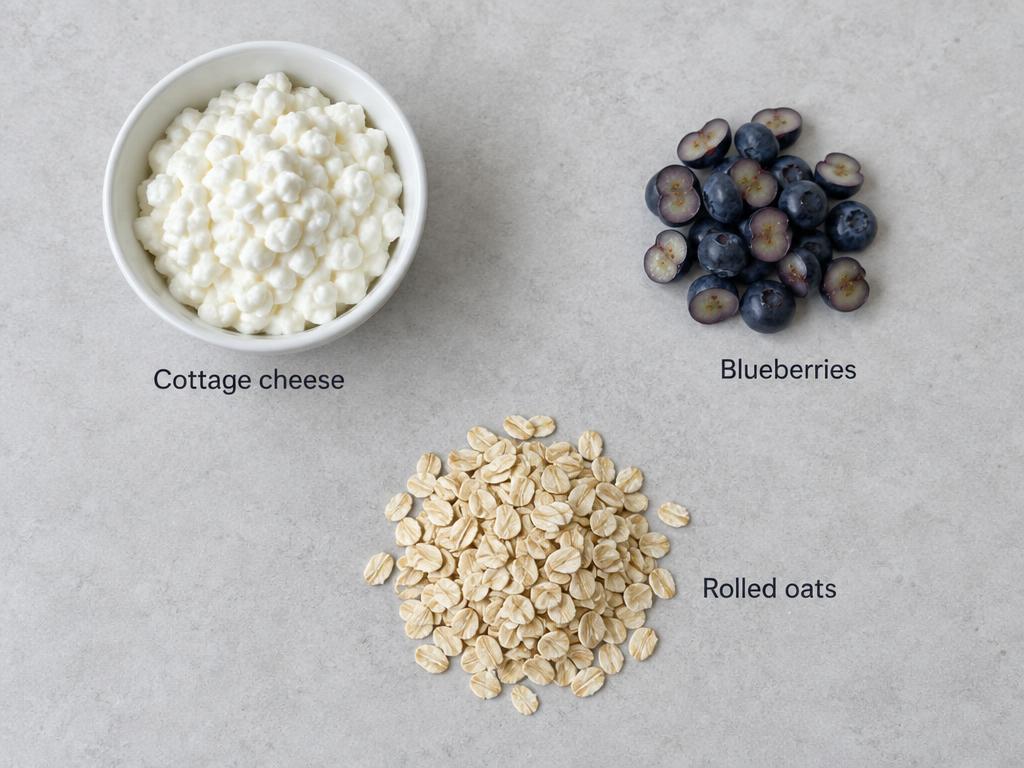
- 1 cup plain low-fat cottage cheese
- 1/2 cup blueberries, halved
- 1 tbsp rolled oats
Steps
- Halve the blueberries so they are easy to chew and swallow.
- Fold the blueberries and oats through the cottage cheese.
- Chill for 15 minutes, then spoon a little over your dog's meal.
Substitutions
- Plain unsweetened yogurt instead of cottage cheese.
- Chopped strawberries instead of blueberries.
Portion guide
Suggested portions only, your vet knows your pet's needs best.
Portion calculator
Enter your dog's weight for a scaled serving suggestion.
Suggested portion
1 tsp over a meal
1 kg60 kg
Starting point only, adjust for activity, body condition, and vet guidance.
| Pet weight | Suggested portion |
|---|---|
| 5 kg | 1 tsp over a meal |
| 15 kg | 1 tbsp over a meal |
| 30 kg | 2 tbsp over a meal |
Nutrition & calorie check
Estimated calories per serving compared to your pet's daily energy need.
Nutrition estimate
Rough estimate from common ingredient values, not a substitute for a veterinary nutrition plan.
Whole recipe
1066 kcal
Per serving
1066 kcal
Treat budget (dog)
85 kcal
One serving uses ~1254% of the daily treat budget1066 / 85 kcal
One serving is above the 10% daily treat allowance for a 15kg dog. Cut the portion or treat as an occasional reward only.
Do not feed
- Onion, garlic, chives, leeks (toxic in any form)
- Grapes or raisins
- Sweetened or flavoured dairy
See our full Safety & Nutrition guide.
Storage
Refrigerate up to 2 days. Do not freeze.
Vet disclaimer: Companion Paws Kitchen recipes are educational. They are not a substitute for veterinary advice or a complete-and-balanced commercial diet. Always consult your vet before introducing new foods, especially for puppies, kittens, seniors, pregnant pets, or pets with medical conditions.
More for dogs