dogtreatchickenadult
Homemade Chicken Jerky For Dogs
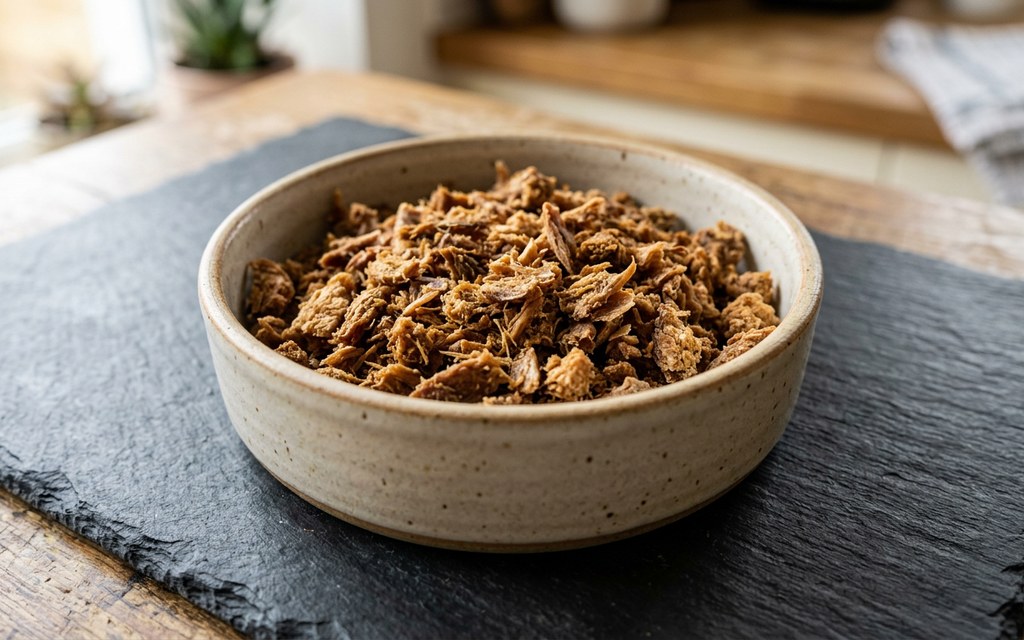
Single-ingredient chicken jerky provides a high-protein, chewy reward without additives. Dehydrating the meat at home ensures a lean and safe snack.
Prep
10 min
Cook
0 min
Yields
About 20 treats
Level
easy
Ingredients
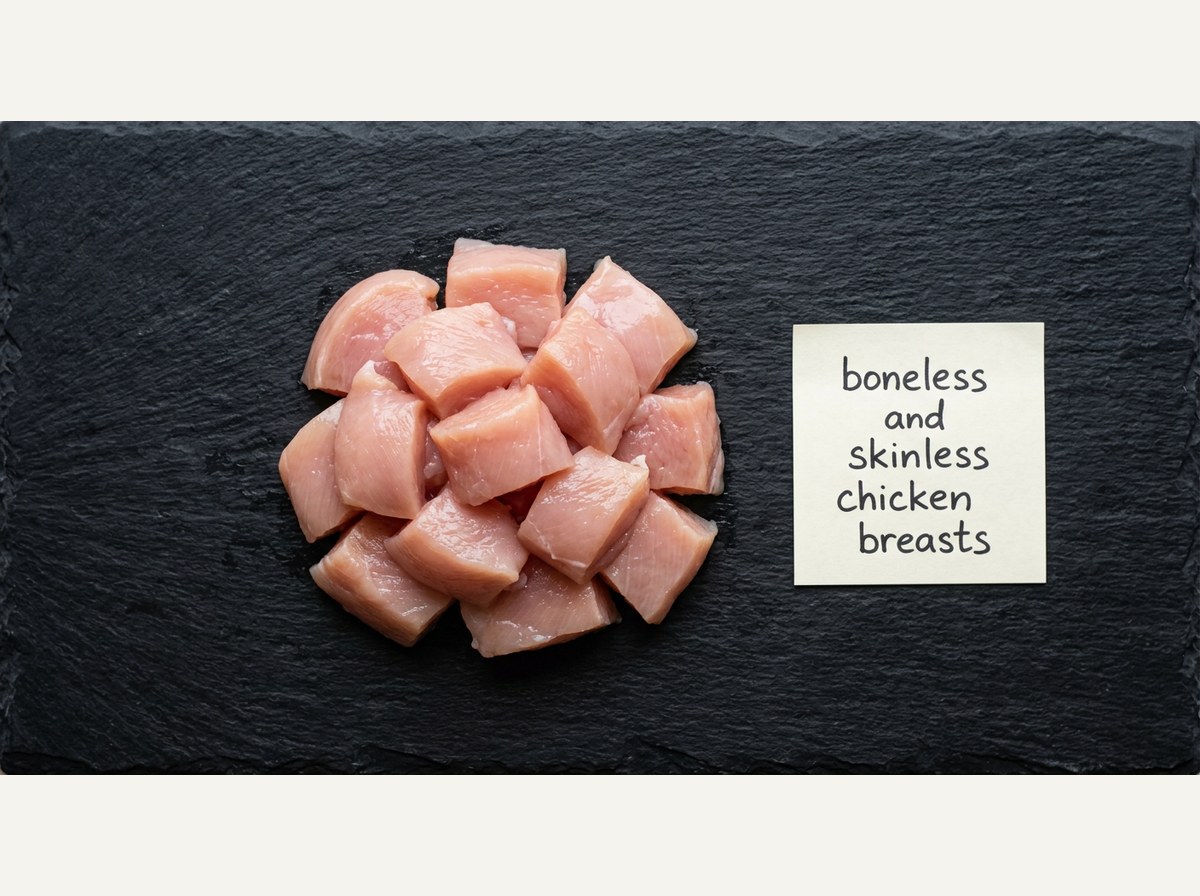
- 2 large boneless and skinless chicken breasts
Steps
- Freeze the chicken breasts for 1 to 2 hours so it's easier to slice.
- Preheat oven to 200°F (93°C).
- Slice chicken breasts into thin, even strips (cut against the grain for chewier pieces or with the grain for softer ones).
- Place strips on a lightly oiled baking rack placed on a baking sheet in a single layer.
- Bake for 2-3 hours, flipping halfway through, until fully dried and slightly crisp.
- Allow to cool completely before serving.
- Set air fryer to 180°F (82°C).
- Arrange strips in a single layer in the basket or a lightly oiled rack for the basket.
- Air fry for 2-3 hours, checking occasionally until dried and chewy.
- Cool completely before serving.
Substitutions
- Use turkey breast for a different lean protein
- Substitute with lean beef strips
Portion guide
Suggested portions only, your vet knows your pet's needs best.
Portion calculator
Enter your dog's weight for a scaled serving suggestion.
Suggested portion
2 small treats per day
1 kg60 kg
Starting point only, adjust for activity, body condition, and vet guidance.
| Pet weight | Suggested portion |
|---|---|
| 5 kg | 1 small treat per day |
| 15 kg | 2 small treats per day |
| 30 kg | 3 small treats per day |
Nutrition & calorie check
Estimated calories per serving compared to your pet's daily energy need.
Nutrition estimate unavailable for this recipe.
Do not feed
- Onion, garlic, chives, leeks (toxic in any form)
See our full Safety & Nutrition guide.
Storage
Store in the refrigerator for two weeks or freeze for three months.
Vet disclaimer: Companion Paws Kitchen recipes are educational. They are not a substitute for veterinary advice or a complete-and-balanced commercial diet. Always consult your vet before introducing new foods, especially for puppies, kittens, seniors, pregnant pets, or pets with medical conditions.
More for dogs