dogtreatmixedadult
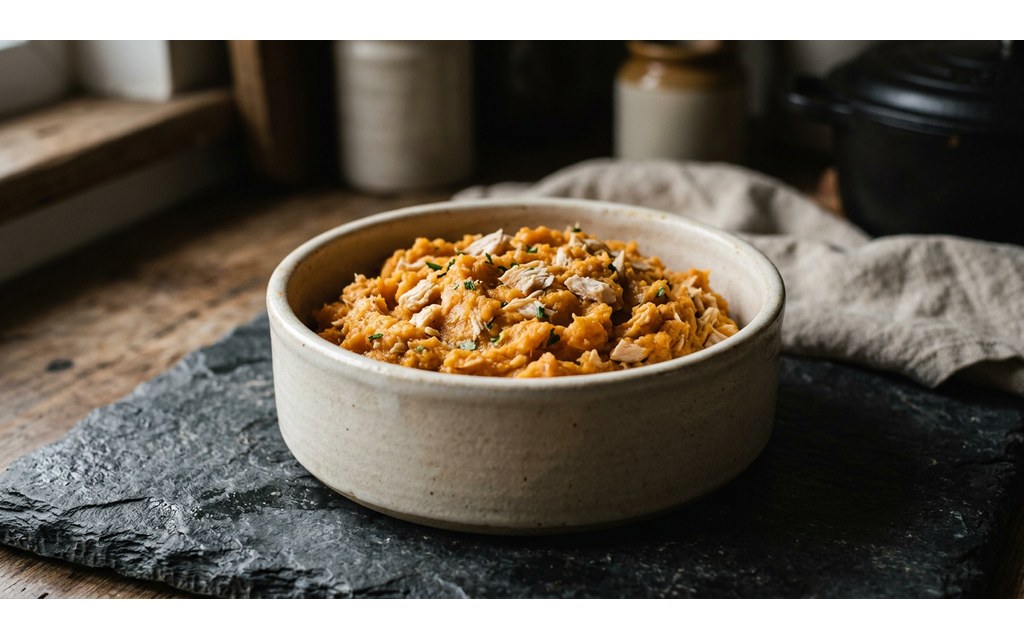
Homemade Sweet Potato Puree
This smooth puree is a versatile topper or base for other recipes. It is easy on the digestive system and naturally sweet.
Prep
5 min
Cook
20 min
Yields
About 12 treats
Level
easy
Ingredients
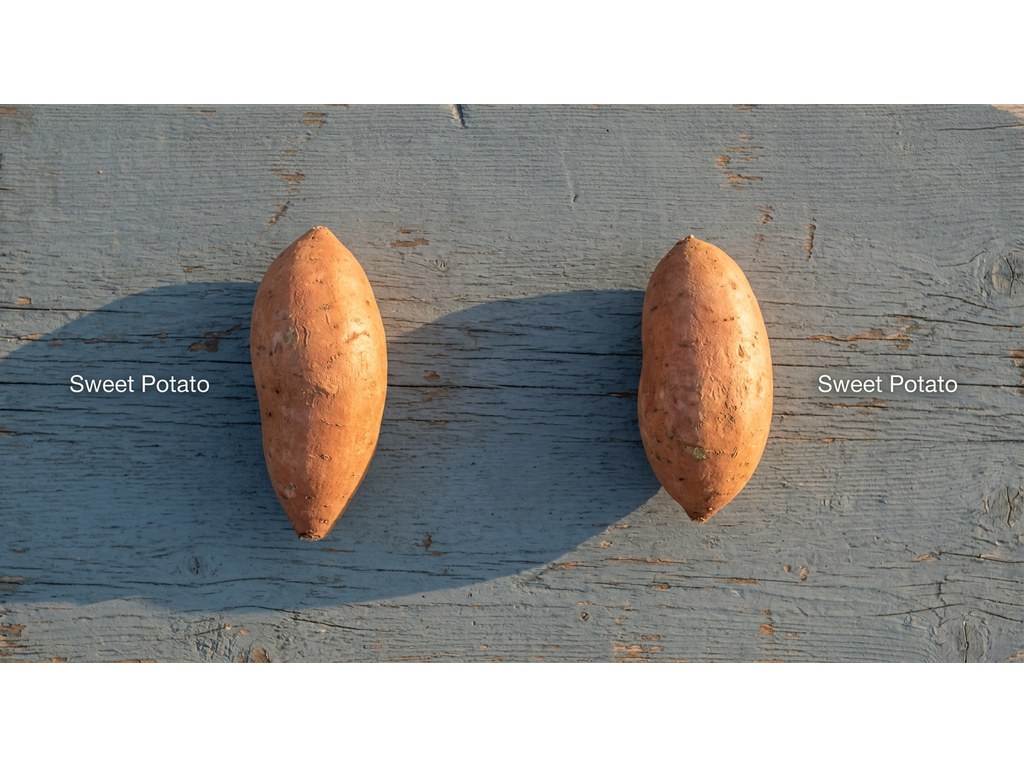
- 2 medium sweet potatoes
Steps
- Tho roughly wash the sweet potatoes to remove any dirt. Peel the sweet potatoes to remove the skin.
- Cut the sweet potatoes into small, evenly-sized chunks to ensure even cooking.
- Place the sweet potato chunks in a large pot and cover them with water. Bring the water to a boil, then reduce the heat and let the sweet potatoes simmer for about 20-25 minutes, or until they are tender and easily pierced with a fork.
- Once the sweet potatoes are cooked, drain the water using a colander.
- Use a potato masher to manually mash the sweet potatoes to your desired consistency. Alternatively, you can place the cooked sweet potatoes in a blender or food processor. Blend until smooth.
- Allow the sweet potato puree to cool completely before serving it to your dog.
Substitutions
- Use pumpkin or butternut squash for a similar puree.
- Mix with a little water or unsalted broth for consistency.
- Stir in a spoonful of plain yogurt before serving.
Portion guide
Suggested portions only, your vet knows your pet's needs best.
Portion calculator
Enter your dog's weight for a scaled serving suggestion.
Suggested portion
2 small treats per day
1 kg60 kg
Starting point only, adjust for activity, body condition, and vet guidance.
| Pet weight | Suggested portion |
|---|---|
| 5 kg | 1 small treat per day |
| 15 kg | 2 small treats per day |
| 30 kg | 3 small treats per day |
Nutrition & calorie check
Estimated calories per serving compared to your pet's daily energy need.
Nutrition estimate unavailable for this recipe.
Do not feed
- Onion, garlic, chives, leeks (toxic in any form)
See our full Safety & Nutrition guide.
Storage
Refrigerate for 5 days or freeze in ice cube trays.
Vet disclaimer: Companion Paws Kitchen recipes are educational. They are not a substitute for veterinary advice or a complete-and-balanced commercial diet. Always consult your vet before introducing new foods, especially for puppies, kittens, seniors, pregnant pets, or pets with medical conditions.
More for dogs