dogtreatmixedadult
No Bake Banana Dog Treats
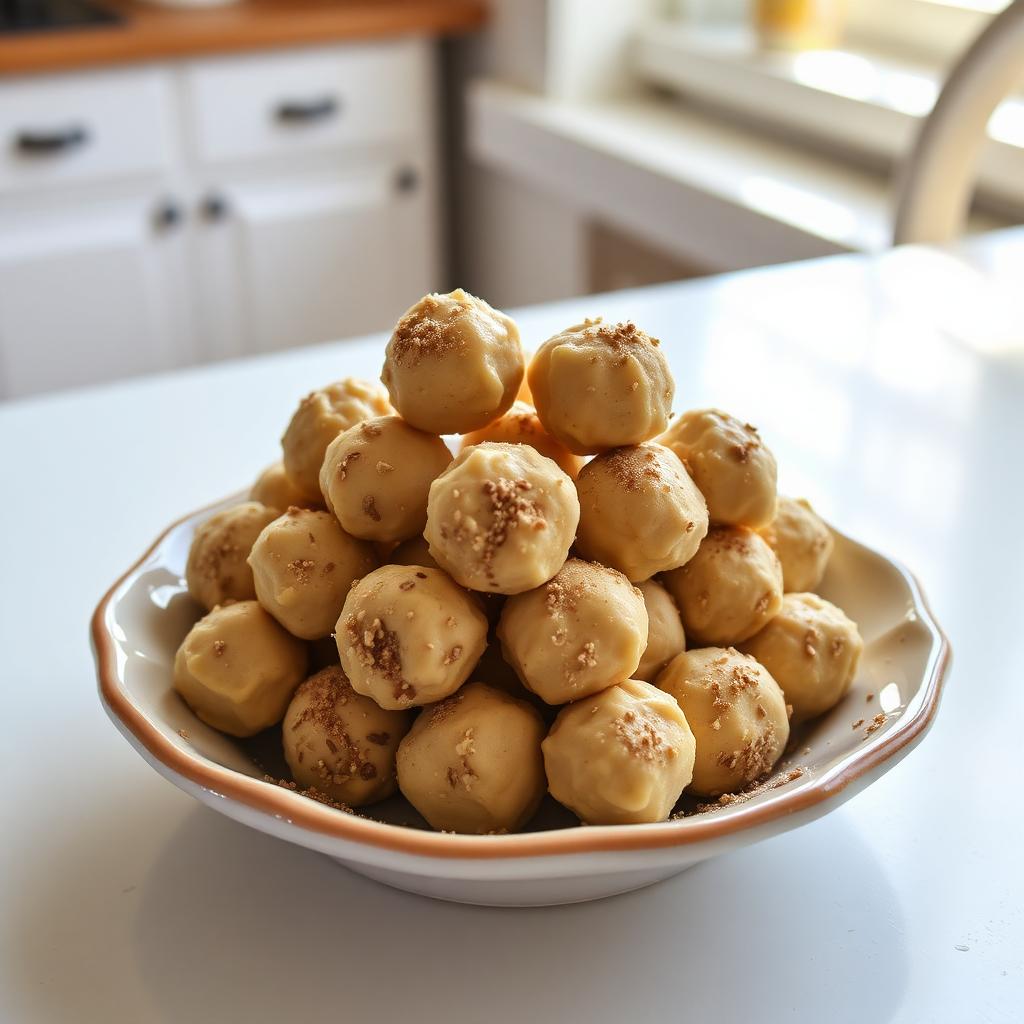
A simple four-ingredient snack that focuses on banana and peanut butter. These are easy to prepare when you need a quick reward.
Prep
15 min
Cook
0 min
Yields
About 12 treats
Level
easy
Ingredients
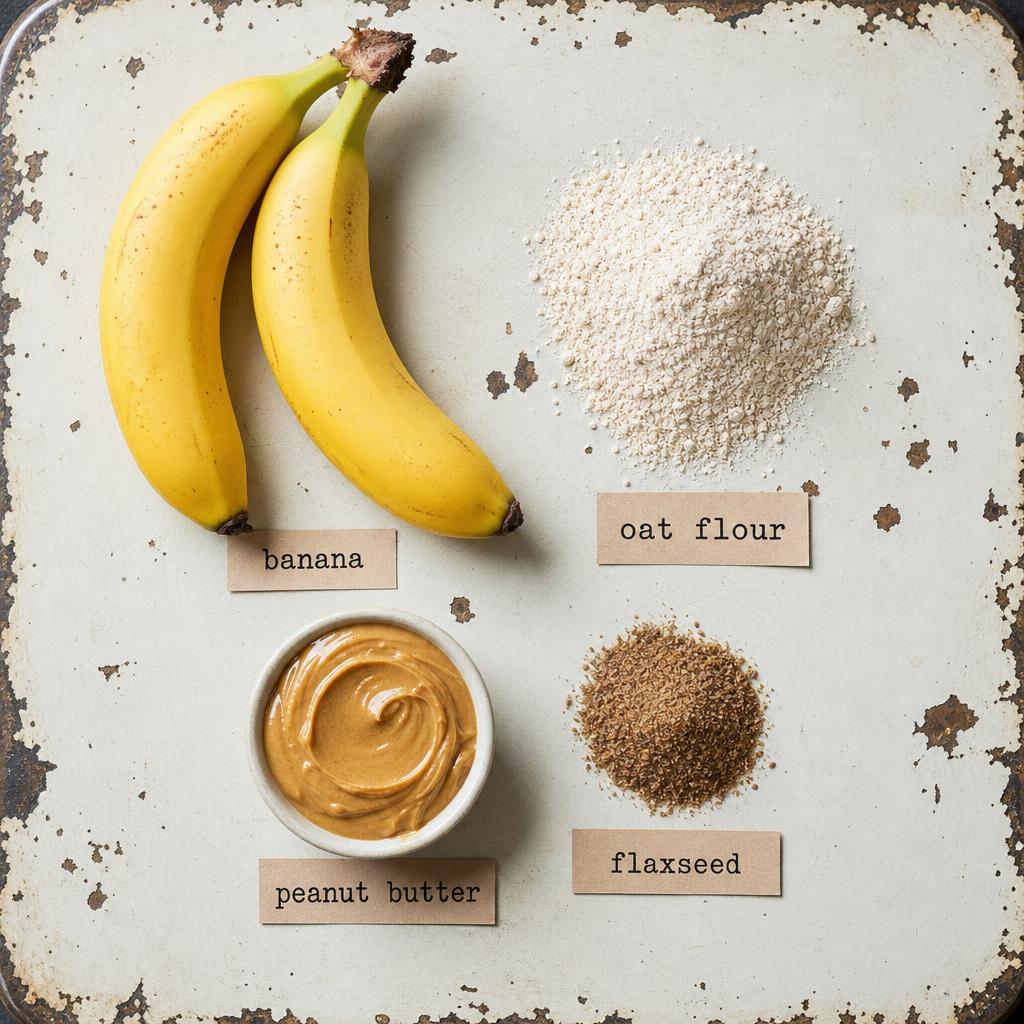
- 2 bananas
- 1 cup oat flour
- 2 tablespoons peanut butter (xylitol-free)
- 1 tablespoon ground flaxseed
Steps
- In a medium bowl, mash the bananas until smooth.
- Add peanut butter and stir to combine.
- Mix in the oat flour and ground flaxseed until a soft dough forms.
- Scoop out small portions and roll into bite-sized balls or press into silicone molds for fun shapes.
- Place treats on a tray lined with parchment paper and refrigerate for 1-2 hours until firm.
- Serve and watch your pup enjoy!
Substitutions
- Almond butter instead of peanut butter
- Chia seeds instead of flaxseed
- Pumpkin puree instead of one banana
Portion guide
Suggested portions only, your vet knows your pet's needs best.
Portion calculator
Enter your dog's weight for a scaled serving suggestion.
Suggested portion
2 small treats per day
1 kg60 kg
Starting point only, adjust for activity, body condition, and vet guidance.
| Pet weight | Suggested portion |
|---|---|
| 5 kg | 1 small treat per day |
| 15 kg | 2 small treats per day |
| 30 kg | 3 small treats per day |
Nutrition & calorie check
Estimated calories per serving compared to your pet's daily energy need.
Nutrition estimate
Rough estimate from common ingredient values, not a substitute for a veterinary nutrition plan.
Whole recipe
1090 kcal
Per treat
91 kcal
Treat budget (dog)
85 kcal
One serving uses ~107% of the daily treat budget91 / 85 kcal
One serving is above the 10% daily treat allowance for a 15kg dog. Cut the portion or treat as an occasional reward only.
Do not feed
- Onion, garlic, chives, leeks (toxic in any form)
- Peanut butter containing xylitol (always check the label)
See our full Safety & Nutrition guide.
Storage
Store in the refrigerator for up to 5 days.
Vet disclaimer: Companion Paws Kitchen recipes are educational. They are not a substitute for veterinary advice or a complete-and-balanced commercial diet. Always consult your vet before introducing new foods, especially for puppies, kittens, seniors, pregnant pets, or pets with medical conditions.
More for dogs